
Vertige Media: What does it say when someone wears a pair of trail-running shoes to the office?
Jean-Laurent Cassely: That the places where we work and play are starting to overlap. For a long time, we kept cities and offices separate from the places we went for recreation: the coast, the countryside, the mountains. There was a time for work and a time for vacation. COVID sped up the blurring of those lines. People bring their laptops to climbing gyms to work. So why couldn't the office towers of La Défense have climbing walls someday? Wearing trail-running shoes doesn't mean you're going for a run after work, but it reflects how much work and leisure now overlap.
Vertige Media: What are we trying to say about ourselves when we wear technical outdoor clothing?
Jean-Laurent Cassely: I think part of us doesn't want to be defined by a desk job. White-collar professionals were already wearing workwear without doing manual labor—a way to associate themselves with the skills of those trades. Technical clothing can play a similar role by connecting us to the outdoors. When I was reporting on college graduates who had become cheesemongers or florists, I kept finding that same desire for hands-on work and a connection to a place. The more the digital world leaves us feeling disconnected, the more we look for something tangible to hold on to.
“Climbing is the standout activity in a broader trend that also includes gardening, cooking, and reading. All of them take time and focus”
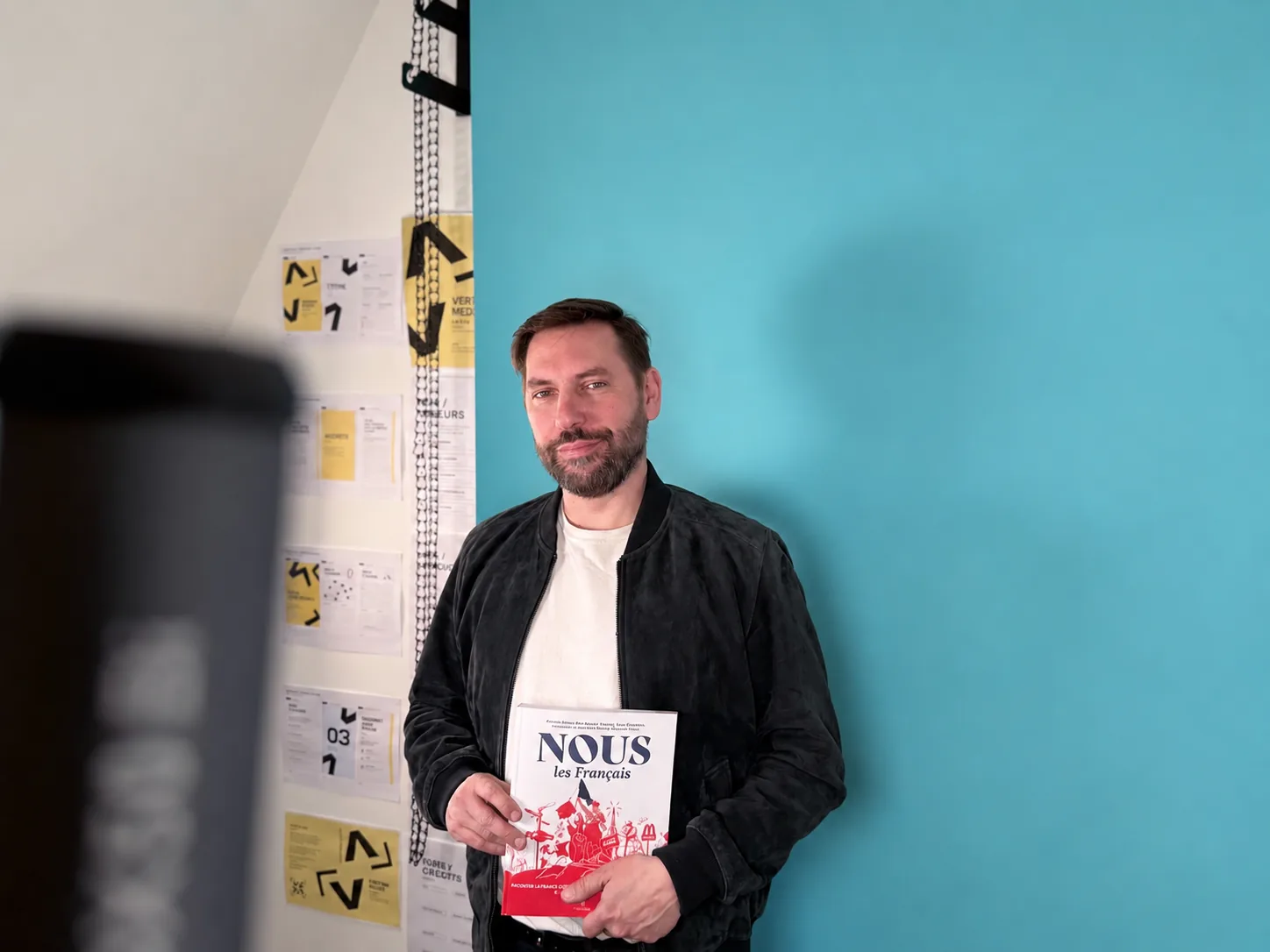
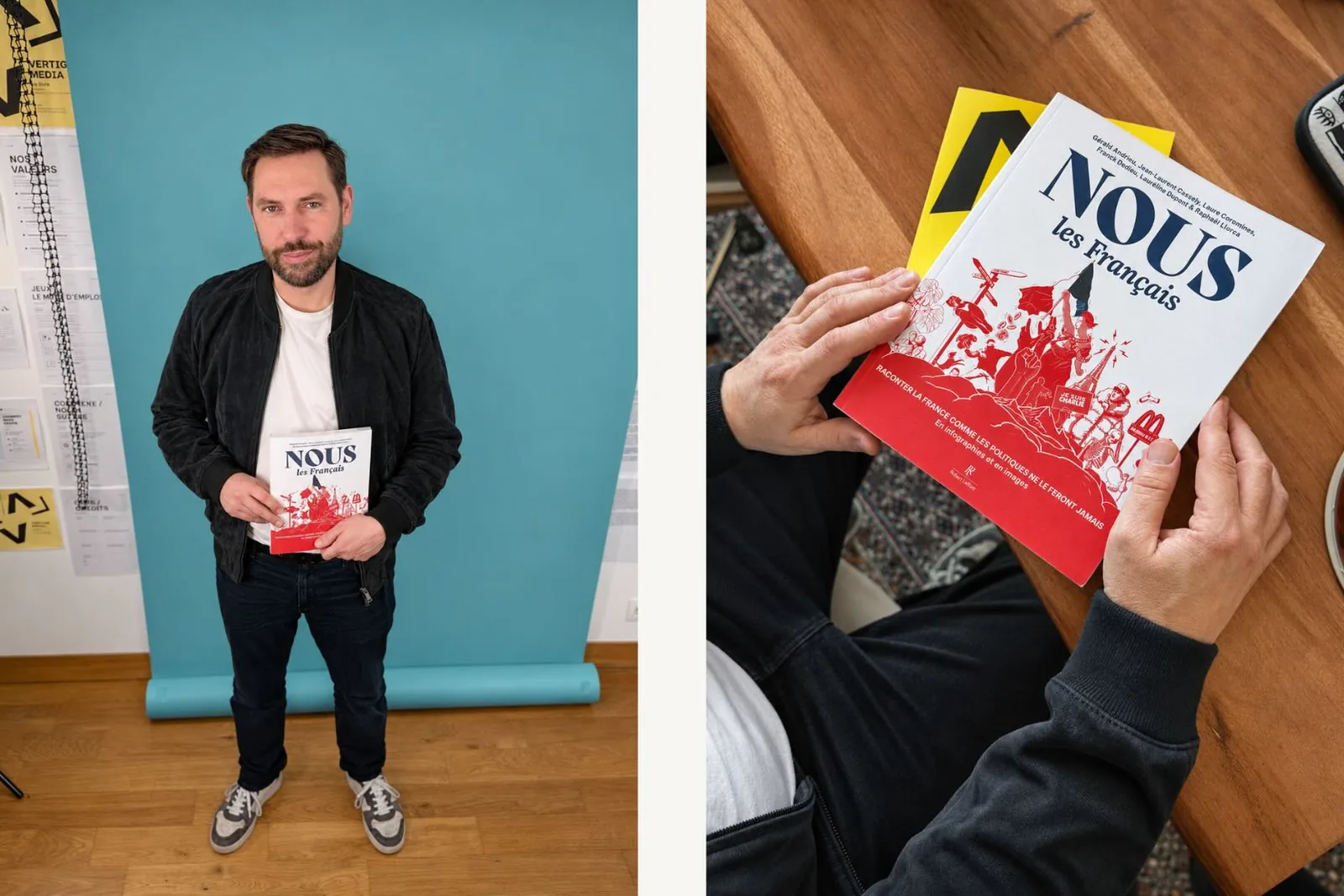
Jean-Laurent Cassely, author of “Nous, les Français”
Vertige Media: Why does climbing meet that need for something tangible so well?
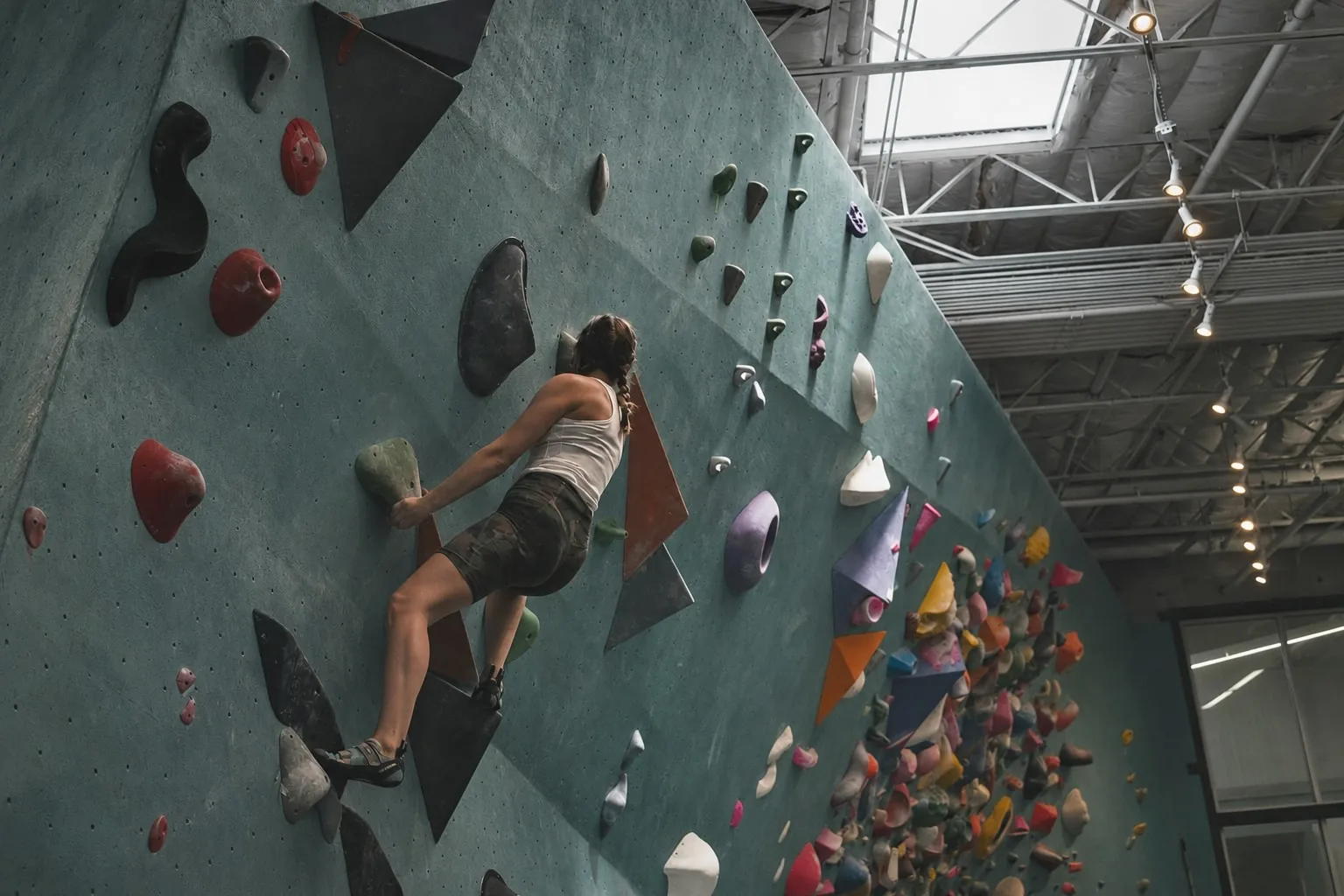
Jean-Laurent Cassely: Because you're literally holding on to something. When you're climbing, you generally don't pull out your phone. Climbing is the standout activity in a broader trend that also includes gardening, cooking, and reading. All of them take time and focus. Apps, home delivery, AI—all of that saves us time and effort. Climbing, by contrast, takes learning, training, and trying again. We choose to make this part of our lives more demanding, even as we try to make other parts easier. There's also the pleasure of becoming part of a culture. With climbing, you discover its leading figures, its pioneers, its history.
Vertige Media: So getting outdoors is about enjoyment first, social status second?
Jean-Laurent Cassely: Yes! It's popular, first of all, because it feels good. People like walking, running, climbing, swimming. We now see forests and mountains as places to get away. It's hard for me not to connect that need to screen time: focusing on an activity lets you escape the constant demands on your attention and think more freely, in an almost meditative way.
“Not everyone can spend a day in Fontainebleau or a week in the Alps. You need time, money, planning, and good weather. Indoor climbing can be an alternative without being a poor substitute”
Jean-Laurent Cassely, author of “Nous, les Français”
Vertige Media: Why is indoor climbing benefiting so much from this desire to get outdoors?
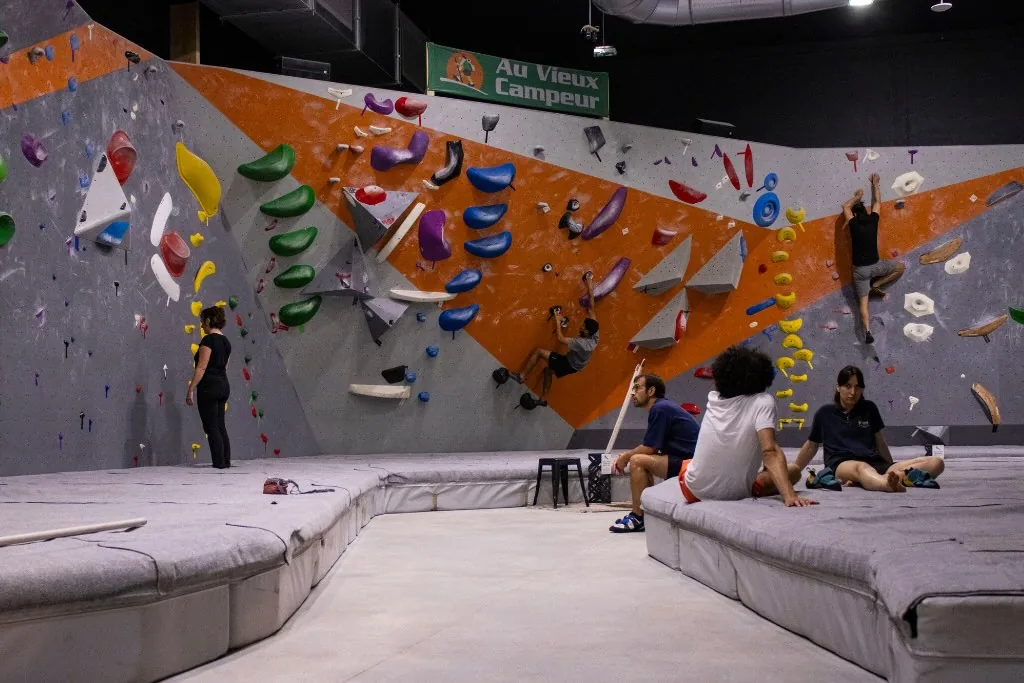
Jean-Laurent Cassely: Not everyone can spend a day in Fontainebleau or a week in the Alps. You need time, money, planning, and good weather. Indoor climbing can be an alternative without being a poor substitute. After COVID, there was talk of an exodus to the countryside, but people who moved largely stayed close to cities. It's not easy to change jobs or schools. Likewise, the success of climbing gyms doesn't mean everyone's going to take up multipitch climbing—long routes climbed in stages. Trips to the mountains and other outdoor activities also have to compete with other things we want to do: watch a show, redo a kitchen. It all draws on the same free time, and sometimes the same budget. A climbing gym lets you climb without committing an entire weekend.
This article is free to read.
That’s possible thanks to donations from our readers.
Without their support, it wouldn’t exist.
If you can, please support Vertige Media.
Vertige Media: Is the outdoor world still socially exclusive?
Jean-Laurent Cassely: You hear criticism from two directions. One complaint is that outdoor recreation is a pastime for the well-off, with status-symbol brands, gear that's too expensive, and an elitist culture. The other is that newcomers show up in the mountains or the Calanques without knowing the dos and don'ts, bringing speakers or wearing the wrong shoes. Some people who usually take their vacations in August or head to the beach are now going to the mountains. And the controversies over young people from working-class neighborhoods visiting the mountains show how newcomers disrupt the routines of those who already spend time in these places. Broader enthusiasm can coexist with economic and cultural barriers. The outdoors belongs to everyone, but not everyone has the same opportunities to get out there.
Vertige Media: Who made these activities so appealing?
Jean-Laurent Cassely: It's hard to point to a single group. But urban professionals and college graduates who get into trail running or climbing help make those activities more visible and give them a new image. But the love of the outdoors didn't start with them. Working-class people have long spent time in nature, but those activities get less attention. Locals who go skiing for the day don't necessarily come from the same backgrounds as city dwellers on vacation. Other people run, garden, or pick mushrooms without posting about it on Instagram. We need to separate the activity itself from how people present it to the world: what's trendy for some may be something others have been doing for years. The urban craze for plants shouldn't make us forget the expertise of people who've been tending their vegetable gardens for decades.
Vertige Media: You talk about the “glamorization” of climbing. What does that mean in practice?
Jean-Laurent Cassely: The sport takes on a younger, more appealing, sometimes more elitist image. People with money to spend and the means to share their passion—through the media, influencers, and content creators—help attract people who wouldn't have seen climbing as something for them before. But sparking interest isn't enough. You also have to pass on the knowledge people need to participate. This summer, I went camping with friends who had all the gear: sleeping bags, sleeping pads, a stove. I hiked up with a salami! What was obvious to them wasn't obvious to me. I think some of that knowledge is no longer being passed from one generation to the next. Clubs, community organizations, the media, and social media can help fill that gap: get people interested, then pass on the skills.
Vertige Media: Why do stories of extraordinary athletic feats appeal to so many people who don't take part in those sports?
Jean-Laurent Cassely: They combine beautiful scenery, athletic achievement, and real risk. That can fascinate even people who don't do these sports. You can admire Benjamin Védrines without wanting to repeat his climbs. These athletes also become role models, like Léon Marchand [a French swimmer—Ed.] or the Lebrun brothers [French table tennis players—Ed.]: their discipline and values can inspire people to take up the sport. In Inoxtag's Everest documentary, the person who interests me most is the guide [Mathis Dumas—Ed.]. He's sharing a culture with someone who doesn't know its unwritten rules. You need a mentor. Inoxtag becomes a role model, but he needs a role model himself, along with training and guidance.
“What happens outside work, party politics, and religion is becoming more important. Leisure activities also show how people are reorganizing their lives and finding meaning in them”
Jean-Laurent Cassely, author of “Nous, les Français”
Vertige Media: What does this desire to put in the effort and push our limits say about us?
Jean-Laurent Cassely: I think it meets a need for control. You have control over your training, your consistency, your performance, while so much else is out of your hands. That's reassuring, though not everyone feels the same way about putting in the work. Preparing for a 10K or a half-marathon is a project: you train, watch what you eat, go out less. But on race day, a whole group of people helps you achieve that individual result: loved ones, volunteers, organizers.
Vertige Media: What kinds of communities form around these activities?
Jean-Laurent Cassely: Groups that give you structure without requiring you to build your whole life around them. As political, religious, and civic institutions lose their influence, you're left to manage your time, your goals, and your values on your own. That's why people turn to self-help for guidance. A climbing gym, a running club, or a trail race can help rebuild a sense of community around an activity. You can spend time with someone on the left or the right, younger or older, and share something while you're doing that activity. It doesn't define your whole life the way a political or religious affiliation might, but it gives you structure: you have a goal, you see your friends, you're energized by the group's enthusiasm. Climbing lets us build a little society of our own at a given time and place. We saw this a lot while working on the book: what happens outside work, party politics, and religion is becoming more important. Leisure activities also show how people are reorganizing their lives and finding meaning in them.
Vertige Media: With this focus on everyday life, don't you risk reading too much into anecdotes?
Jean-Laurent Cassely: We're kind of free soloing sociology—climbing without ropes! I like the label “pop sociology” because we start with real-life situations to explore bigger questions. An air fryer, for example, lets us talk about how much time people spend cooking and the role of the family meal. A running event lets us look at how people come together and form a community for the duration of a race. Another benefit of this approach is that it reveals how people can want seemingly contradictory things. You could argue that climbing is popular because it's an individual activity—or, on the contrary, because of the community that forms around it. Both are true: you can want to improve for your own sake and still need other people. That combination is what's interesting to write about. So we focused on activities that get people involved, generate enthusiasm, or start conversations. That energy is especially visible in sports and outdoor recreation. What might seem like a simple pastime becomes a way to understand how people organize their lives and what connects them.