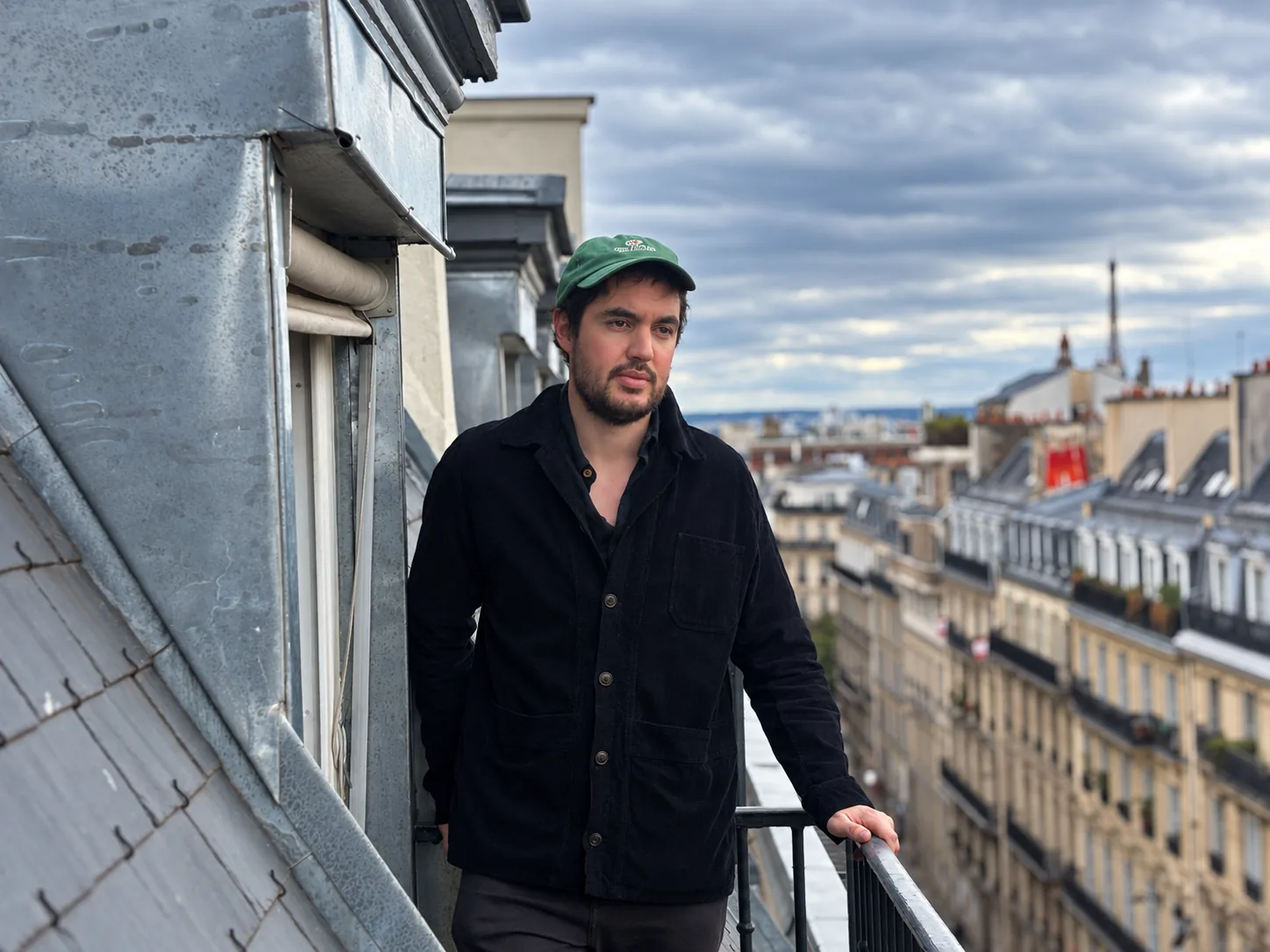

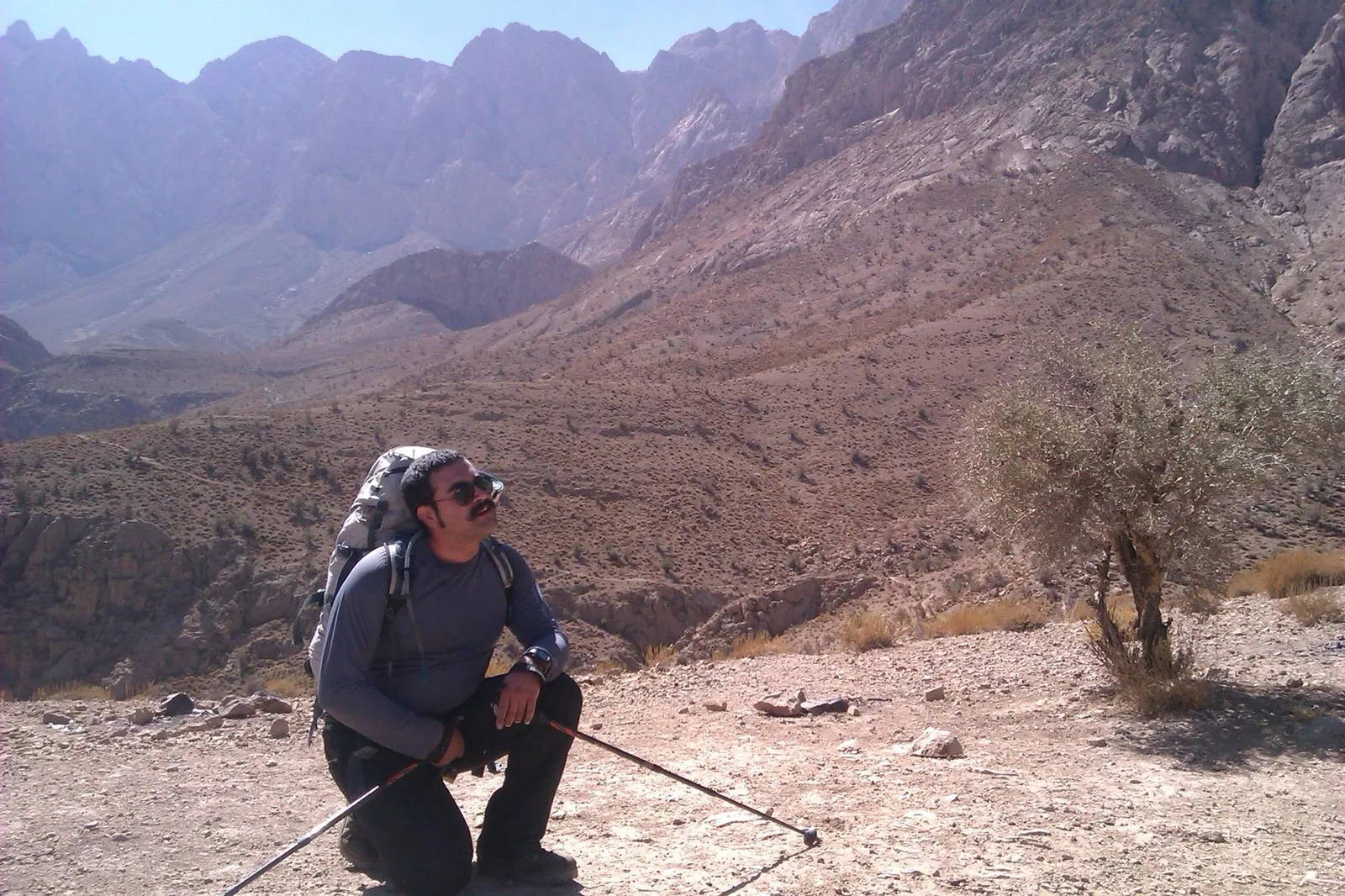
Ali-Sina Mostafavi was 38. A native of Kerman, a city in southeastern Iran, he shared his climbs online, including his ascent of Everest. Arrested in April following the January 2026 protests, he was moved to solitary confinement in late September. His family was reportedly then summoned for a final visit. According to Human Rights for Sport (HRS), 217 athletes were shot and killed and more than 100 were detained. The independent news outlet IranWire, which operates in exile, also reported those figures, though they have not been independently corroborated.
The Charges and the Unanswered Questions
Iran’s judiciary accused Ali-Sina Mostafavi of carrying out armed attacks in Kerman, including shooting at civilians in Azadi Square on March 24, 2026, and of having ties to Reza Pahlavi, the exiled crown prince, and Israel. Those allegations, reported by Mizan News—an official news outlet tied to the regime’s judiciary—are the authorities’ version of events. They are not the findings of an independent investigation. Far from it. To date, the trial evidence has not been made public.
HRANA, the Human Rights Activists News Agency, has condemned violence in custody and the use of forced confessions. The independent British newspaper The Guardian reports that the Supreme Court upheld Ali-Sina Mostafavi’s death sentence in late September.
“What happened to him was also a warning to the whole population: look what we can do to someone like this.”
Zohreh Abdollahkhani, a member of Human Rights Watch and a former Iranian ice climbing champion, on the 2020 execution of wrestler Navid Afkari.
These cases come as protesters and opponents of the Iranian regime face charges of “waging war against God,” “corruption on earth,” espionage, or threatening national security. The Islamic Republic of Iran has faced sporadic U.S. and Israeli strikes since February 2026. Since the death of Supreme Leader Ali Khamenei in March, there has been little transparency about the country’s leadership. Amnesty International, Human Rights Watch, and U.N. experts have condemned unfair trials in Iran’s revolutionary courts, citing inadequate access to lawyers, rushed proceedings, and confessions that may have been extracted under torture. The charges alone do not establish the facts.
Athletes Under Threat
Ali-Sina Mostafavi was not the only athlete targeted. According to HRS, at least six others now face execution: swimmer Ali Pishevarzadeh, soccer player Ehsan Hosseinpour, boxer Mohammad Javad Vafaei-Sani, fighter Benyamin Naghdi, equestrian Taraneh Rahimi, and mountaineer Maryam Siri. Vafaei-Sani, who has been detained since 2020, had his request for a new trial rejected in 2025, according to the Guardian. Fighter Gholamreza Khani Shakarab was executed in May; taekwondo athlete Siavash Jamshidi Kheirabadi was executed in early October.
The newsletter that lifts you higher
Every Wednesday: the editorial team’s column, the best articles, and plenty of surprises to help you climb higher — in mind and in spirit.
Athletes have no special legal status in these prosecutions, but their prominence can help the authorities make an example of them. HRS sees this as a warning to the public, pointing to the case of popular wrestler Navid Afkari, who was executed in 2020. “What happened to him was also a warning to the whole population: look what we can do to someone like this,” Zohreh Abdollahkhani, a member of Human Rights Watch and a former Iranian ice climbing champion, told the Guardian.
Terror, Repression, and a Deafening Silence
The death penalty also takes a toll before the execution: prisoners and their families do not know when the sentence will be carried out. A transfer to solitary confinement or a summons for a final family visit can signal that time is running out. HRS says relatives have been placed under surveillance or arrested. “In one case, his sister and brother-in-law have been arrested, and the whole family’s phone lines are under surveillance. That makes it impossible to contact them directly,” Zohreh Abdollahkhani told the Guardian. A campaign conducted with other organizations has already put one athlete’s execution on hold, but his death sentence remains in place. He still faces execution. That uncertainty makes speaking out risky for families and for those documenting the cases.
Human rights organizations say the death penalty is used to terrorize the regime’s opponents and discourage the public from organizing. In other words, it is a form of state terror.
Four members of the European Parliament wrote to FIFA, soccer’s international governing body, before the World Cup to raise the alarm about Iranian athletes facing execution, according to the Guardian. Zohreh Abdollahkhani says the lawmakers received no response. Asked for comment by HRS, FIFA said it was aware of the concerns and thanked those involved for their efforts, without directly addressing the letter. The International Olympic Committee also expressed deep concern about the situation facing Iranian athletes when asked for comment. It noted, however, that as a nongovernmental organization, it cannot change the laws of a sovereign state. Those limits are real. HRS nevertheless argues that these sports governing bodies could do more to draw attention to the cases and maintain diplomatic pressure.
Ali-Sina Mostafavi’s execution symbolizes a broader political crackdown. Human rights organizations say the death penalty is used to terrorize the regime’s opponents and discourage the public from organizing. In other words, it is a form of state terror.
Sports governing bodies do not decide prisoners’ fates, and their power is limited. But when they offer only statements with no visible effect, they bear a heavy responsibility: their silence helps keep the Iranian regime’s deadly repression out of public view. For athletes still facing execution, sustained public attention is no guarantee of survival. But it is the least that can be done to keep terror and repression from taking place behind closed doors.