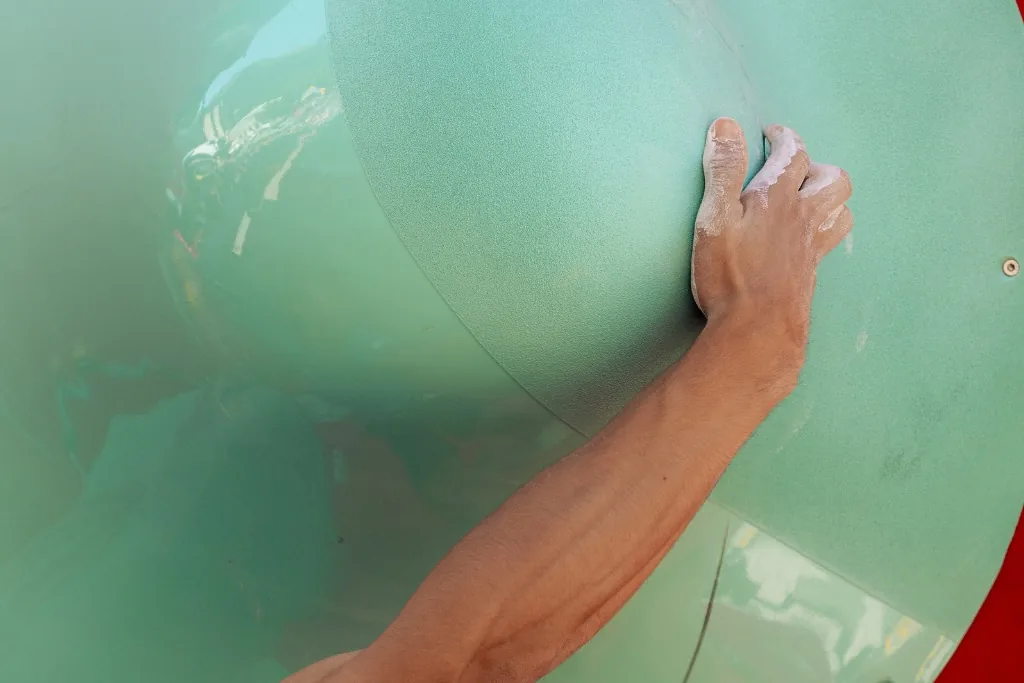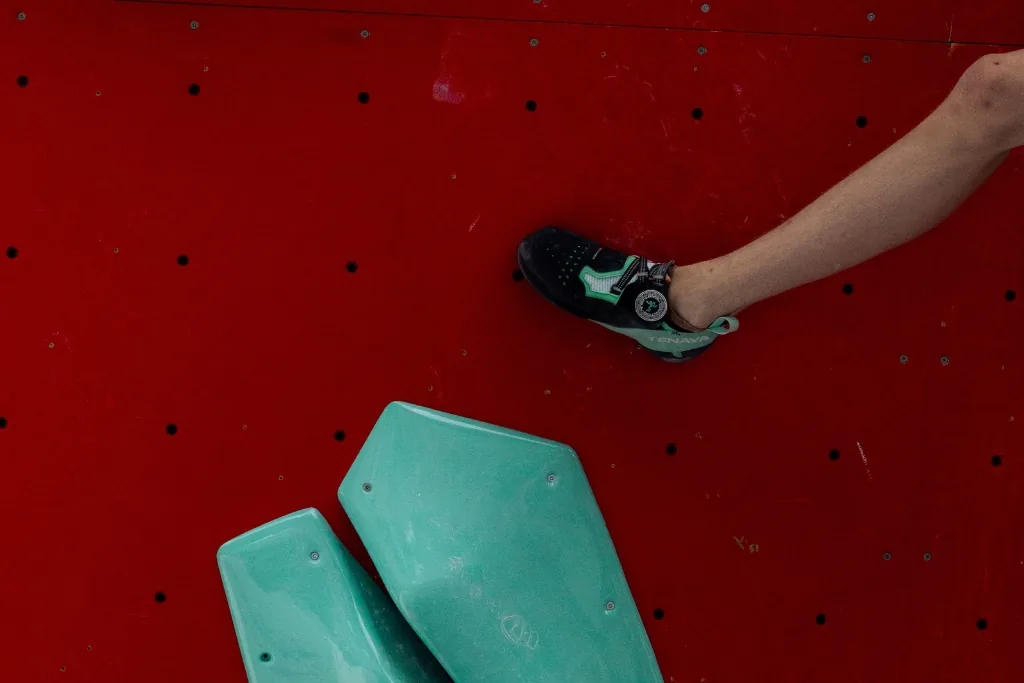


We all know that climber: the veteran who casually cruises 5.11d (7a) while practically whistling, then hits you with that half-patronizing, half-dad-voice line: “Don’t worry—climbing’s like riding a bike. You don’t forget.” An infuriating thing to hear, especially after three forced months off thanks to a wrecked ankle.
But what if, behind that smug little smile, they’re right?
Because while your brain is busy holding onto your credit card PIN and the name of the neighbor you’ve “totally met before,” your body is quietly logging every foot placement, every hip shift, every tiny controlled wobble you saved at the last second. Yes—your body remembers how to climb. And the bad news is, it probably remembers better than you do.
Are your muscles smarter than you?
Quick spoiler so nobody spirals: your biceps don’t think. Your quads have never had an identity crisis. And no, your forearms are not secretly storing your favorite playlists.
What people casually call “muscle memory” is really your nervous system doing its job. When you drill the same movement over and over—methodically, stubbornly, sometimes obsessively—control starts shifting away from the prefrontal cortex (the part of your brain doing the anxious, conscious thinking) and toward more efficient systems, including the cerebellum, which helps run smooth, precise movement.
The result: you suddenly move in a clean, fluid sequence almost without thinking. Your brain is working in the background. Your body executes. And you’re just there, in the middle, looking talented without being totally sure how you pulled it off. In other words: you climb better than your conscious brain ever gave you credit for. It’s kind of flattering.
The brain remodel: when your head gets hooked
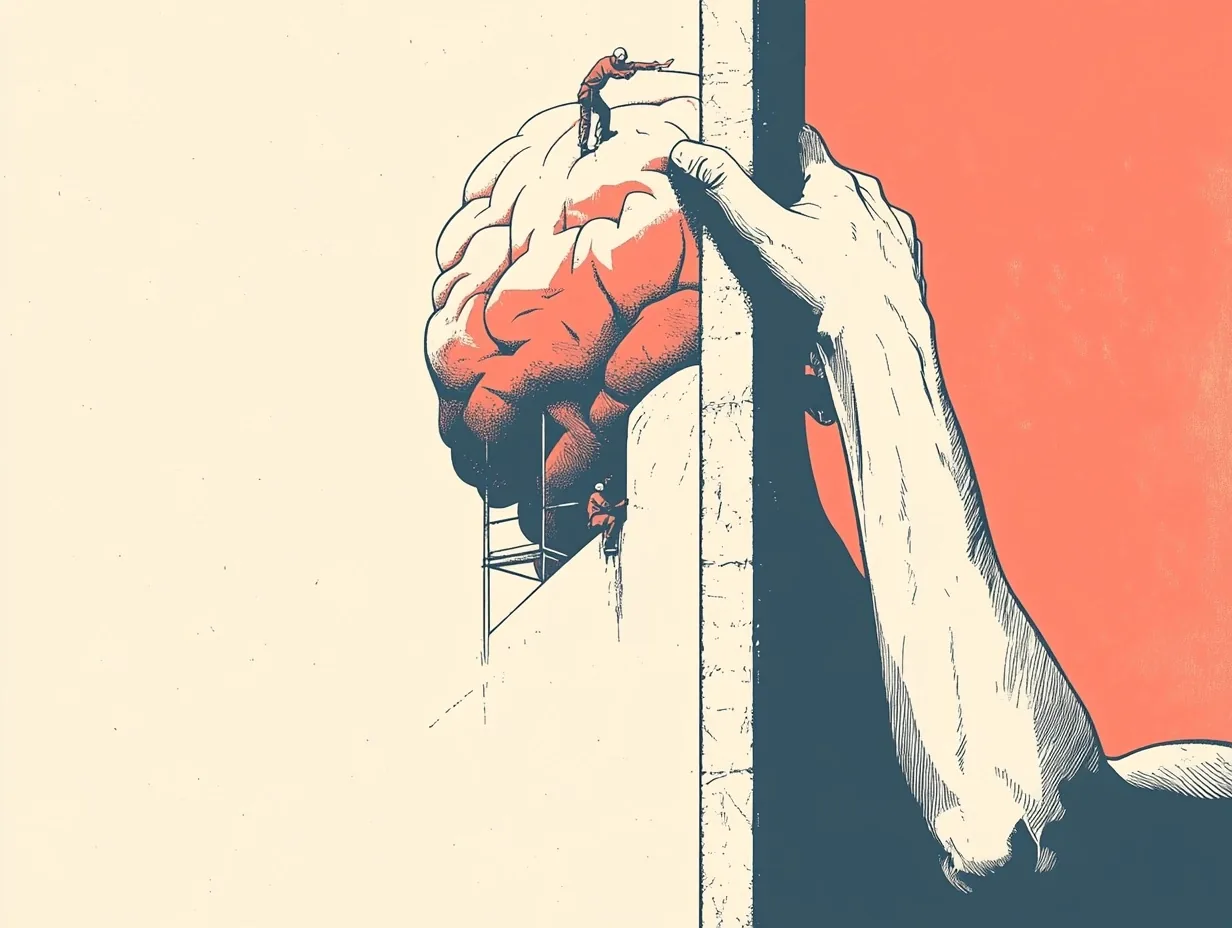
Every time you repeat the same climbing move, you’re not just pumping your forearms until they feel like overfilled balloons—you’re literally reshaping your brain. That’s not poetic. That’s neuroscience.
One study (Di Paola, 2013) found that expert climbers can show an enlarged cerebellum, likely tied to the constant demand for ultra-precise coordination. Translation: the more you climb, the more your brain adapts—sometimes in ways that are objectively fun to bring up at a party if you feel like impressing or boring people.
But there’s a catch. Your brain will learn anything you feed it, including bad habits. If you consistently botch a move, you’re teaching that error with the same seriousness as the correct version. Tend to ignore your footwork the second you get stressed? Do that enough, and you’re building it into your default settings. Moral: learn it clean early, or you’ll spend the rest of your climbing life trying to unlearn the thing you accidentally mastered.
And here’s the wilder part: your muscles have their own kind of long-term advantage.
When you train hard—sets, reps, the whole grind until you’re flirting with that nasty burn—your muscle fibers add extra nuclei. And the evolutionary joke is that those nuclei tend to stick around even after long breaks (thank you, Netflix, delivery apps, and extended couch seasons). A study (Bruusgaard, 2010) showed these added nuclei can persist for months, even years, during inactivity.
So when you come back after your “little break” and start climbing again, your strength rebuilds faster than you expect. You think you’re starting from scratch. Your body disagrees. It remembers what it used to be.
And suddenly you’re back to form after three sessions—while pretending to be surprised, just to stay humble in front of your friends. Nice little perk, right?
Basic instinct
Once your movement patterns get automated, you hit the climber’s holy grail: you move on instinct. According to research by Zampagni (2011), experienced climbers are much better at distributing their weight across all four limbs. Beginners, stuck overthinking everything, often default to hauling with their arms—then wonder why they’re cooked after two moves.
The other upside is more subtle: your conscious brain gets freed up from the low-level technical stuff. It can focus on what actually matters—reading the next hold, managing that quiet fear of falling, or, if you’re that type, having a full philosophical moment mid-crux (the hardest part of the route).
That’s the real win. When your movement is automatic, you can perform with an ease that feels almost unfair to your climbing partners.
And if you’re convinced you’ve “lost everything” after a six-month break? Not quite.
Motor memory is stubborn—borderline obsessive. A precisely learned movement can reportedly be reproduced up to eight years after the last time you did it. Eight years. No practice, no reminders, and your feet still know where they’re supposed to go, like some eerie ghost of old beta (the sequence) coming back online.
Sure, your raw strength and endurance will take a hit. But your technique tends to return faster than you think. And if we’re being honest, you’ll enjoy it—the quiet, slightly smug pleasure of realizing you still have it. Not because you’re special. Just because your nervous system is doing its job.
Three ways to train your brain like you train your body
Your body hands you a pretty solid neurological superpower: muscle memory that’s reliable and a little cocky. It would be a shame not to use it. Here are three research-backed tips (that are actually easy to apply) to turn that memory into better climbing.
1) Mix it up (including the stuff that shuts you down)
Your brain hates boredom. So don’t feed it the same movement pattern forever. Switch styles constantly: delicate slab, steep overhang, boulders that feel personal, long endurance routes that never end. The more variety you give your nervous system, the richer your movement library gets. Over time, your body becomes a living encyclopedia of climbing options—ready to adapt with an annoying amount of ease.
2) Visualize moves (yes, from the couch)
This one is for the fans of “productive procrastination.” Simply imagining a climbing movement in detail activates many of the same brain regions as actually doing it (Filgueiras, 2018). Scientists call it “motor imagery.” You can call it “training without putting on pants.” It’s a legit way to reinforce technique on rainy days, or when your gym is swarmed by an overexcited school group.
3) Sleep like it’s part of your training plan
According to Fogel (2017), the real consolidation of technical skills doesn’t happen standing around after your session or while sipping a protein smoothie. It happens during sleep. Practical translation: sleeping well after training helps lock those movement patterns into motor memory.
Thinking about pulling an all-nighter before a session? You might as well try climbing barefoot on broken glass. Your call.
The dark side of muscle memory
As powerful as muscle memory is, it has a sneaky downside: it can trap you in a very specific comfort zone.
If you climb the same style, the same angles, the same types of routes over and over, your body becomes that coworker who orders the exact same lunch every day. Predictable. Repetitive. Not great when something unexpected shows up.
The risk is becoming a vertical robot—perfectly smooth on familiar sequences, completely lost the second the route forces a new solution. So build the opposite habit, too: disrupt your patterns on purpose. Seek unfamiliar movement. Put yourself in situations that don’t fit your usual strengths. Keep your motor memory flexible, not locked into one narrow script.
Otherwise you’ll spend your entire climbing life playing the same tune—about as spontaneous as an elevator stuck between floors.
Your best ally: you
After this brainy (slightly irreverent, but scientifically grounded) trip, here’s the takeaway that’s both comforting and mildly unsettling: your body remembers your favorite foot placements better than you remember the name of your last climbing partner.
Muscle memory, paired with the brain’s remarkable ability to rewire itself. Put those two together and you get the climber’s real superpower: moving better, moving smoother, moving without overthinking every micro-decision. Your brain adapts. Your body stores the pattern. You end up with a built-in motor intelligence that’s always quietly running.
So next time someone tells you climbing is just about strong arms and brute force, smile—just a little—and say, calmly: “Sorry. Climbing is mostly about a brain that knows how to talk to your muscles. And mine’s wired up just fine.”